


'%3e%3cpath%20d='M13.0281%202C14.1531%202.003%2014.7241%202.009%2015.2171%202.023L15.4111%202.03C15.6351%202.038%2015.8561%202.048%2016.1231%202.06C17.1871%202.11%2017.9131%202.278%2018.5501%202.525C19.2101%202.779%2019.7661%203.123%2020.3221%203.678C20.8308%204.17773%2021.2243%204.78247%2021.4751%205.45C21.7221%206.087%2021.8901%206.813%2021.9401%207.878C21.9521%208.144%2021.9621%208.365%2021.9701%208.59L21.9761%208.784C21.9911%209.276%2021.9971%209.847%2021.9991%2010.972L22.0001%2011.718V13.028C22.0025%2013.7574%2021.9948%2014.4868%2021.9771%2015.216L21.9711%2015.41C21.9631%2015.635%2021.9531%2015.856%2021.9411%2016.122C21.8911%2017.187%2021.7211%2017.912%2021.4751%2018.55C21.2243%2019.2175%2020.8308%2019.8223%2020.3221%2020.322C19.8223%2020.8307%2019.2176%2021.2242%2018.5501%2021.475C17.9131%2021.722%2017.1871%2021.89%2016.1231%2021.94L15.4111%2021.97L15.2171%2021.976C14.7241%2021.99%2014.1531%2021.997%2013.0281%2021.999L12.2821%2022H10.9731C10.2433%2022.0026%209.5136%2021.9949%208.78408%2021.977L8.59008%2021.971C8.35269%2021.962%208.11535%2021.9517%207.87808%2021.94C6.81408%2021.89%206.08808%2021.722%205.45008%2021.475C4.78291%2021.2241%204.17852%2020.8306%203.67908%2020.322C3.17003%2019.8224%202.77619%2019.2176%202.52508%2018.55C2.27808%2017.913%202.11008%2017.187%202.06008%2016.122L2.03008%2015.41L2.02508%2015.216C2.00665%2014.4868%201.99831%2013.7574%202.00008%2013.028V10.972C1.99731%2010.2426%202.00465%209.5132%202.02208%208.784L2.02908%208.59C2.03708%208.365%202.04708%208.144%202.05908%207.878C2.10908%206.813%202.27708%206.088%202.52408%205.45C2.77577%204.7822%203.1703%204.17744%203.68008%203.678C4.17923%203.16955%204.78327%202.77607%205.45008%202.525C6.08808%202.278%206.81308%202.11%207.87808%202.06C8.14408%202.048%208.36608%202.038%208.59008%202.03L8.78408%202.024C9.51327%202.00623%2010.2427%201.99857%2010.9721%202.001L13.0281%202ZM12.0001%207C10.674%207%209.40223%207.52678%208.46455%208.46447C7.52686%209.40215%207.00008%2010.6739%207.00008%2012C7.00008%2013.3261%207.52686%2014.5979%208.46455%2015.5355C9.40223%2016.4732%2010.674%2017%2012.0001%2017C13.3262%2017%2014.5979%2016.4732%2015.5356%2015.5355C16.4733%2014.5979%2017.0001%2013.3261%2017.0001%2012C17.0001%2010.6739%2016.4733%209.40215%2015.5356%208.46447C14.5979%207.52678%2013.3262%207%2012.0001%207ZM12.0001%209C12.394%208.99993%2012.7842%209.07747%2013.1482%209.22817C13.5122%209.37887%2013.8429%209.5998%2014.1215%209.87833C14.4002%2010.1569%2014.6212%2010.4875%2014.772%2010.8515C14.9229%2011.2154%2015.0005%2011.6055%2015.0006%2011.9995C15.0006%2012.3935%2014.9231%2012.7836%2014.7724%2013.1476C14.6217%2013.5116%2014.4008%2013.8423%2014.1223%2014.121C13.8437%2014.3996%2013.513%2014.6206%2013.1491%2014.7714C12.7851%2014.9223%2012.395%2014.9999%2012.0011%2015C11.2054%2015%2010.4424%2014.6839%209.87976%2014.1213C9.31715%2013.5587%209.00108%2012.7956%209.00108%2012C9.00108%2011.2044%209.31715%2010.4413%209.87976%209.87868C10.4424%209.31607%2011.2054%209%2012.0011%209M17.2511%205.5C16.9196%205.5%2016.6016%205.6317%2016.3672%205.86612C16.1328%206.10054%2016.0011%206.41848%2016.0011%206.75C16.0011%207.08152%2016.1328%207.39946%2016.3672%207.63388C16.6016%207.8683%2016.9196%208%2017.2511%208C17.5826%208%2017.9005%207.8683%2018.135%207.63388C18.3694%207.39946%2018.5011%207.08152%2018.5011%206.75C18.5011%206.41848%2018.3694%206.10054%2018.135%205.86612C17.9005%205.6317%2017.5826%205.5%2017.2511%205.5Z'%20fill='%23203C89'%3e%3c/path%3e%3c/g%3e%3cdefs%3e%3cclipPath%20id='clip0_3870_96858'%3e%3crect%20width='24'%20height='24'%20fill='white'%3e%3c/rect%3e%3c/clipPath%3e%3c/defs%3e%3c/svg%3e)
SummerProgrammesGuide
First Time Away From Parents: How to Prepare Your Child for an International Summer Camp
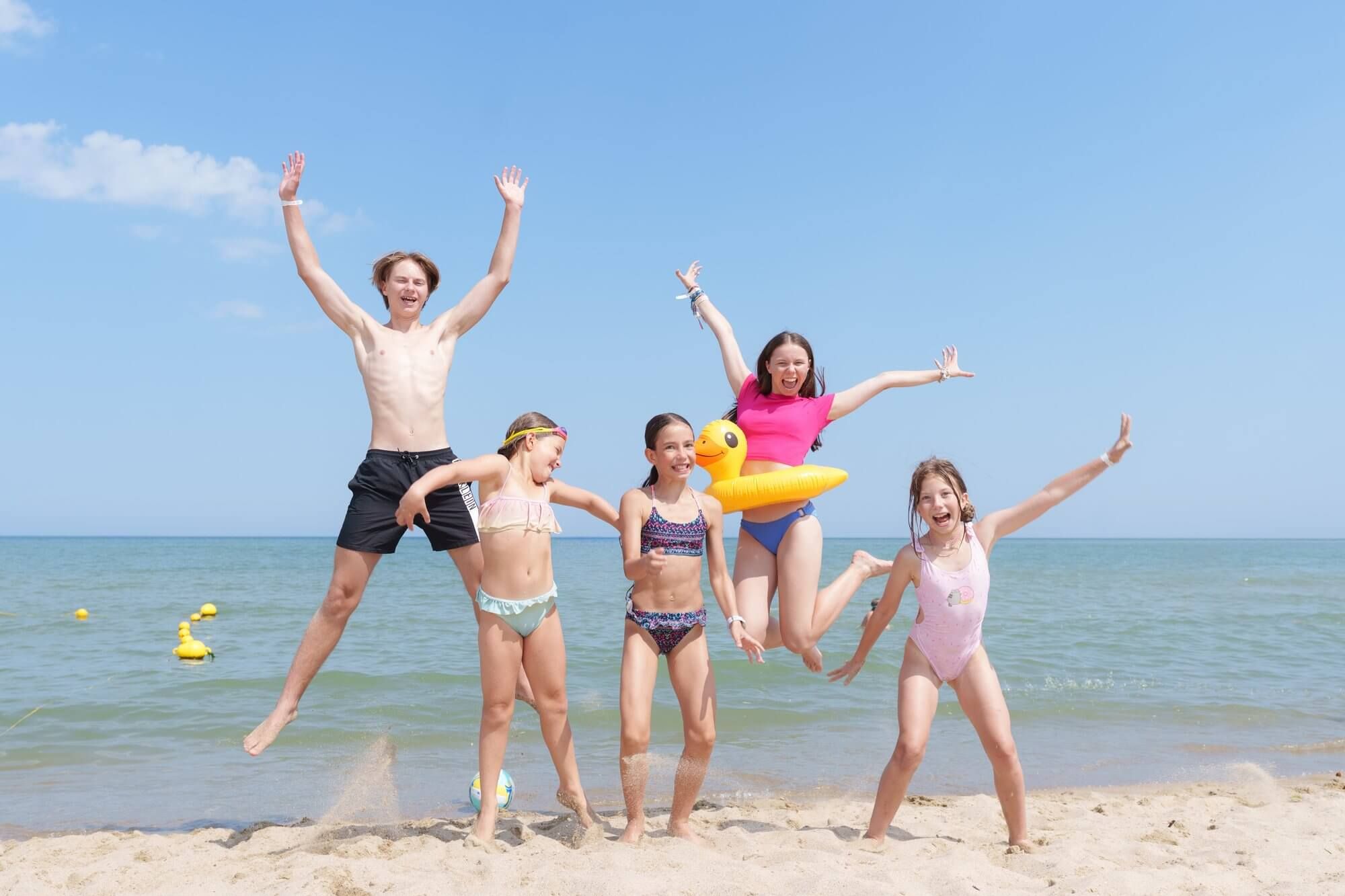
Sending a child to their first summer camp abroad is a milestone for the whole family, and it is normal for parents to feel almost as nervous as their child. The good news is that a first international summer camp is one of the safest, most rewarding ways for a child to grow, and most of the worry melts away with the right preparation. This guide shows you how to prepare for summer camp calmly, so your child arrives ready and comes home proud.
If you are still deciding, our What Age Is Best for an International Summer Camp? helps you judge readiness. This article is about the practical and emotional preparation for the trip itself.
Why the First Camp Feels Like a Big Step
For most families, a first summer camp is the first time a child spends more than a night or two away from home, and often the first trip abroad without a parent. That combination is why it feels so large. It is not only about the distance. It is about handing your child a level of independence they have never had, and trusting other adults to look after them.
Children feel the size of the step too, and a little child anxiety before a first camp is completely normal. A child may be excited one moment and tearful the next, asking to go and then asking to stay. None of this means they are not ready. It means they understand that something new is coming, which is exactly the kind of new experience that helps them grow.
Parents carry their own version of this. You may worry about homesickness, about whether your child will make friends, about how you will cope not seeing them for two weeks. Naming those worries helps, because most of them are answered by preparation and by choosing a camp that is set up to support a first trip. A first international summer camp is designed around exactly this moment, and the staff have guided hundreds of children through it before.
The key thing to hold on to is that this step, though big, is a good one. Handled well, a first English summer camp gives a child a burst of confidence and independence that carries into school, friendships, and everything that follows.
How to Know If Your Child Is Ready
Readiness is more about emotional readiness than age. A child who can spend a night at a friend's house, ask an adult for help, and manage basic self-care is usually ready for a first summer camp, whether they are eight or thirteen. The signs are practical and everyday.
Look at how your child handles a normal week. Can they follow a camp routine, or at least a daily routine set by someone other than you? Do they recover from small setbacks without the day collapsing? Can they dress, wash, and keep track of their things with only light reminders? These small skills matter more than English level, because a good English summer camp will place your child at the right language level anyway.
The social side matters just as much. Is your child curious about meeting new people, even if shyly? Making friends is the single biggest factor in a happy first camp, and a child who is willing to join in, however nervously, will usually settle fast among a group of international students who are all in the same position.
Finally, involve your child in the decision. A child who wants to go, even with butterflies, does far better than one who feels sent. If your child is curious and mostly willing, and can manage the basics, they are ready. Our guide on what age is best for an international summer camp goes deeper into readiness by age.
Preparing Emotionally Before the Trip
Emotional preparation is the part parents most often skip, and it is the part that makes the biggest difference. In the weeks before departure, talk about the camp in a warm, matter-of-fact way, so it becomes familiar rather than frightening. Look at photos of the camp together, walk through what a day will look like, and let your child ask questions.
Be honest about homesickness. Tell your child that missing home for a day or two is normal, that lots of children feel it, and that it passes quickly once the fun begins. Framing it as expected, rather than a disaster, gives a child permission to feel it and move on. This simple honesty is one of the best forms of emotional support you can offer before the trip.
Build small independence in advance. In the month before camp, let your child practise the things they will do alone: making their bed, organising their bag, managing a small amount of pocket money. Each small success builds self-confidence and makes the camp routine feel less strange. A child who has rehearsed independence at home steps into it far more easily.
Agree how you will stay in touch, and keep it realistic. Explain that there will be set times for communication with parents, not calls whenever either of you feels wobbly. Knowing the plan in advance reassures a child without tying them to home. The goal of all this preparation is a calm, confident departure and a positive first experience once they arrive.
Practical Preparation Checklist
Once the emotional groundwork is done, the practical side is simple. Every camp sends its own list, but a good packing list for a first international summer camp usually covers four areas.
| Area | What to prepare |
|---|---|
| Documents | Passport and any visa, travel and medical insurance, a copy of the health form, emergency contacts, and consent or booking paperwork the camp requests for travel abroad. |
| Clothing | Enough day clothes for the stay, swimwear, a light jacket, comfortable shoes and sandals, sun hat and sun cream. Label everything with your child's name. |
| Money | A small amount of pocket money for excursions and souvenirs. Ask the camp how much is sensible and how it is kept safely. |
| Phone and contact | A phone if the camp allows it, plus a written list of key numbers. Check the camp's rules on phone use before you pack. |
Beyond the essentials, let your child pack one familiar comfort item, such as a small photo or a favourite book. It costs nothing and helps a child settle on the first night. Pack together, so your child knows where everything is and feels ownership of their bag, which is a small but real piece of independence.
What Parents Should Avoid
Sometimes the most helpful thing a parent can do is avoid a few common mistakes. With the best intentions, parents can accidentally make a first camp harder than it needs to be.
Do not scare your child with warnings. Long lists of what might go wrong, or anxious questions like "will you be okay so far away?", pass your worry straight to your child. Keep your own nerves for other adults, and stay warm and confident in front of your child.
Do not call every couple of hours. Constant contact keeps a child tied to home and stops them settling into the camp routine and their new friendships. Trust the camp's schedule for communication with parents, and let the camp counsellors do their job in between. No news is usually good news.
Do not promise to collect them at the first sign of doubt. A promise to "come and get you if you don't like it" gives a child an exit to reach for the moment they feel homesick, which turns a passing feeling into a reason to give up. Instead, promise that the staff will look after them and that the feeling will pass, which it almost always does within a day or two.
Finally, do not over-pack or over-plan every hour. A child needs room to adapt, make their own choices, and be part of the group. A little trust in your child, and in the camp, goes a long way towards a smooth transition.
What Happens During the First Days at Camp
Knowing how the first days usually unfold takes a lot of the fear out of them, for parent and child alike. Adaptation follows a familiar pattern, and good camps design the opening days around it.
Day one is arrival and orientation. Children are welcomed, shown their rooms, meet their camp counsellors and roommates, and learn the daily routine. The staff know this is the wobbly moment and keep the first hours busy and friendly, because activity and company are the fastest cure for first-day nerves.
The first evening and night are when homesickness is most likely. This is normal, and counsellors are ready for it, with gentle reassurance, a clear routine, and the comfort of other children feeling exactly the same. Peer support does a great deal here: a child who sees a new friend miss home too feels far less alone.
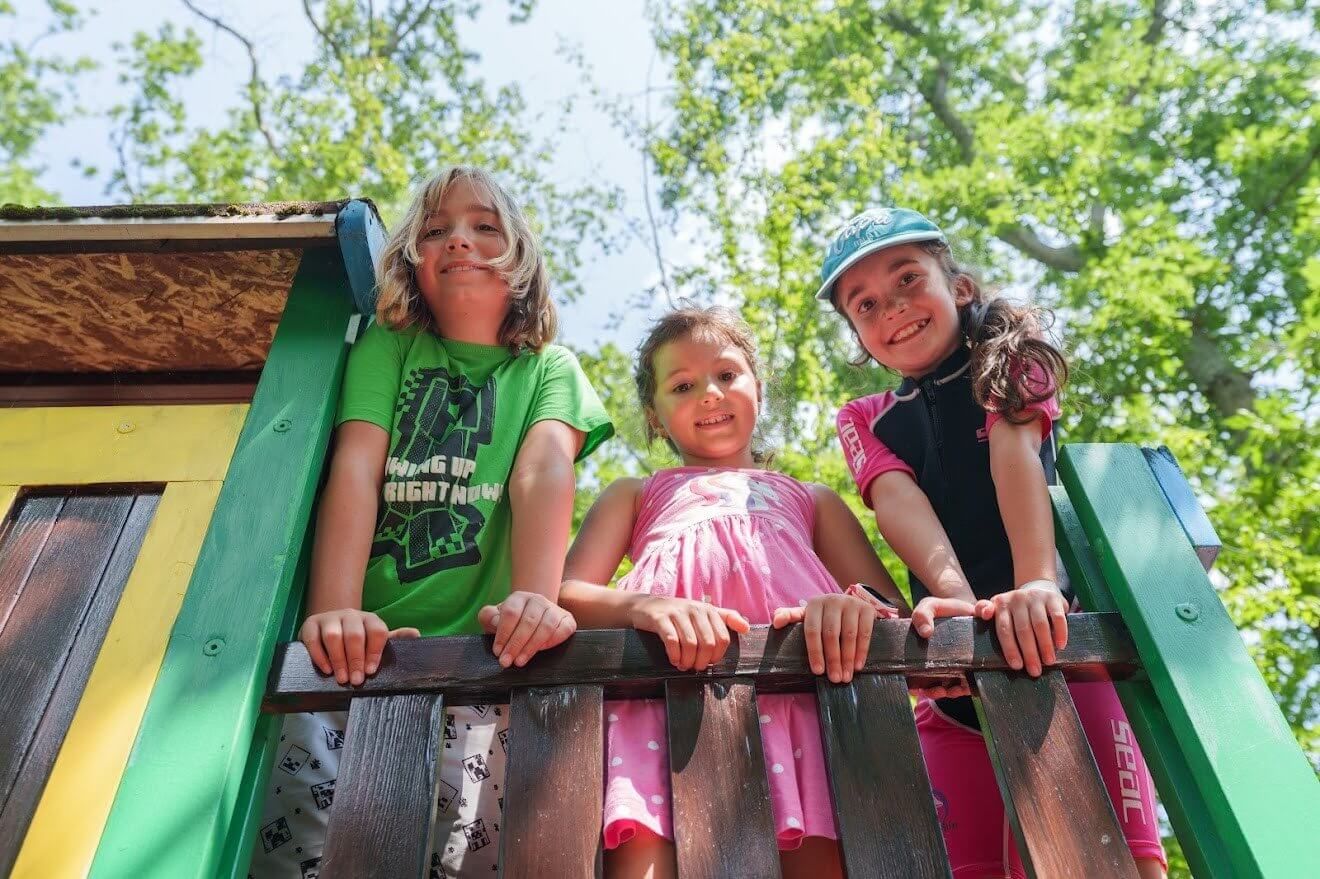
By the second or third day, most children have found their feet. A friendship or two has formed, the camp routine feels familiar, and the excitement of the activities takes over. This is the point where the anxious child of day one becomes the happy child in the photos. From here, resilience and self-confidence grow with every day, and the trip becomes the positive first experience you hoped for.
How VIEC Helps Children Feel at Home
At VIEC, the Varna International Education Centre, the whole first-camp experience is built around helping a child settle. VIEC is an international summer camp on the Bulgarian Black Sea coast for children aged 7 to 17, and the team has guided many children through their first trip away from home.
Caring staff come first. Warm, trained camp counsellors are on duty through the day and overnight, and they know how to spot a quiet child and help them settle. The international atmosphere does the rest: children arrive to a friendly group of international students who are all navigating the same first days, so making friends happens quickly and homesickness fades fast.
Support is constant and communication is clear. A predictable daily routine gives children structure from hour one, English lessons run in partnership with the Oxford International Study Centre, and parents are kept informed throughout, so you can relax knowing how your child is doing. You can read more about the safety and supervision behind this on the Ultimate Guide to International English Summer Camps in Europe.
For families who want to stay closest of all for a first summer, the VIEC Family Package lets a parent share the campus while their child follows the programme, turning a first step into an easy one. To see the programme, the campus, and how the first days work, explore the VIEC Summer Camp and the Family Package pages.
Help your child start their international journey with confidence
See how VIEC helps every child settle in from the very first day.