


'%3e%3cpath%20d='M13.0281%202C14.1531%202.003%2014.7241%202.009%2015.2171%202.023L15.4111%202.03C15.6351%202.038%2015.8561%202.048%2016.1231%202.06C17.1871%202.11%2017.9131%202.278%2018.5501%202.525C19.2101%202.779%2019.7661%203.123%2020.3221%203.678C20.8308%204.17773%2021.2243%204.78247%2021.4751%205.45C21.7221%206.087%2021.8901%206.813%2021.9401%207.878C21.9521%208.144%2021.9621%208.365%2021.9701%208.59L21.9761%208.784C21.9911%209.276%2021.9971%209.847%2021.9991%2010.972L22.0001%2011.718V13.028C22.0025%2013.7574%2021.9948%2014.4868%2021.9771%2015.216L21.9711%2015.41C21.9631%2015.635%2021.9531%2015.856%2021.9411%2016.122C21.8911%2017.187%2021.7211%2017.912%2021.4751%2018.55C21.2243%2019.2175%2020.8308%2019.8223%2020.3221%2020.322C19.8223%2020.8307%2019.2176%2021.2242%2018.5501%2021.475C17.9131%2021.722%2017.1871%2021.89%2016.1231%2021.94L15.4111%2021.97L15.2171%2021.976C14.7241%2021.99%2014.1531%2021.997%2013.0281%2021.999L12.2821%2022H10.9731C10.2433%2022.0026%209.5136%2021.9949%208.78408%2021.977L8.59008%2021.971C8.35269%2021.962%208.11535%2021.9517%207.87808%2021.94C6.81408%2021.89%206.08808%2021.722%205.45008%2021.475C4.78291%2021.2241%204.17852%2020.8306%203.67908%2020.322C3.17003%2019.8224%202.77619%2019.2176%202.52508%2018.55C2.27808%2017.913%202.11008%2017.187%202.06008%2016.122L2.03008%2015.41L2.02508%2015.216C2.00665%2014.4868%201.99831%2013.7574%202.00008%2013.028V10.972C1.99731%2010.2426%202.00465%209.5132%202.02208%208.784L2.02908%208.59C2.03708%208.365%202.04708%208.144%202.05908%207.878C2.10908%206.813%202.27708%206.088%202.52408%205.45C2.77577%204.7822%203.1703%204.17744%203.68008%203.678C4.17923%203.16955%204.78327%202.77607%205.45008%202.525C6.08808%202.278%206.81308%202.11%207.87808%202.06C8.14408%202.048%208.36608%202.038%208.59008%202.03L8.78408%202.024C9.51327%202.00623%2010.2427%201.99857%2010.9721%202.001L13.0281%202ZM12.0001%207C10.674%207%209.40223%207.52678%208.46455%208.46447C7.52686%209.40215%207.00008%2010.6739%207.00008%2012C7.00008%2013.3261%207.52686%2014.5979%208.46455%2015.5355C9.40223%2016.4732%2010.674%2017%2012.0001%2017C13.3262%2017%2014.5979%2016.4732%2015.5356%2015.5355C16.4733%2014.5979%2017.0001%2013.3261%2017.0001%2012C17.0001%2010.6739%2016.4733%209.40215%2015.5356%208.46447C14.5979%207.52678%2013.3262%207%2012.0001%207ZM12.0001%209C12.394%208.99993%2012.7842%209.07747%2013.1482%209.22817C13.5122%209.37887%2013.8429%209.5998%2014.1215%209.87833C14.4002%2010.1569%2014.6212%2010.4875%2014.772%2010.8515C14.9229%2011.2154%2015.0005%2011.6055%2015.0006%2011.9995C15.0006%2012.3935%2014.9231%2012.7836%2014.7724%2013.1476C14.6217%2013.5116%2014.4008%2013.8423%2014.1223%2014.121C13.8437%2014.3996%2013.513%2014.6206%2013.1491%2014.7714C12.7851%2014.9223%2012.395%2014.9999%2012.0011%2015C11.2054%2015%2010.4424%2014.6839%209.87976%2014.1213C9.31715%2013.5587%209.00108%2012.7956%209.00108%2012C9.00108%2011.2044%209.31715%2010.4413%209.87976%209.87868C10.4424%209.31607%2011.2054%209%2012.0011%209M17.2511%205.5C16.9196%205.5%2016.6016%205.6317%2016.3672%205.86612C16.1328%206.10054%2016.0011%206.41848%2016.0011%206.75C16.0011%207.08152%2016.1328%207.39946%2016.3672%207.63388C16.6016%207.8683%2016.9196%208%2017.2511%208C17.5826%208%2017.9005%207.8683%2018.135%207.63388C18.3694%207.39946%2018.5011%207.08152%2018.5011%206.75C18.5011%206.41848%2018.3694%206.10054%2018.135%205.86612C17.9005%205.6317%2017.5826%205.5%2017.2511%205.5Z'%20fill='%23203C89'%3e%3c/path%3e%3c/g%3e%3cdefs%3e%3cclipPath%20id='clip0_3870_96858'%3e%3crect%20width='24'%20height='24'%20fill='white'%3e%3c/rect%3e%3c/clipPath%3e%3c/defs%3e%3c/svg%3e)
SummerDestinationGuide
Why Bulgaria Is One of Europe's Best Summer Camp Spots
Why more families choose Bulgaria for a summer camp: safety, climate, value, and learning English by the Black Sea — plus how VIEC puts it together.
A decade ago, few international families put Bulgaria at the top of their summer camp list. Today many do. A summer camp Bulgaria search now returns serious, well-run programs on the Black Sea coast, and parents from across Europe, the Gulf, and Central Asia are choosing them over pricier options in the West. This is a guide to the country as a destination, its safety, climate, cost, and character, so you can decide whether a Bulgaria summer camp is right for your child.
Why More Families Choose Bulgaria
The rise of Bulgaria as a summer camp destination comes down to three things: rising quality, a strong natural setting, and a price that leaves real money in a family's pocket without cutting what matters.
On quality, Bulgaria has invested in modern campuses and international programs. Families who study English Bulgaria increasingly find teaching that meets the same frameworks used across Europe, with qualified staff and CEFR-based lessons, rather than an improvised local course. For many families, the difference in program quality with the classic Western destinations is no longer a deciding factor.
On setting, Bulgaria has a long, warm, gentle coastline on the Black Sea, backed by forests and nature reserves. That mix of sea and green space suits a children's summer, because it supports both structured learning and the outdoor life that keeps children happy for two or three weeks.
On value, the difference is large. Bulgaria is among the most affordable countries in the European Union, and that shows directly in the cost of an affordable summer camp. Families routinely find that a summer camp Bulgaria option costs a fraction of a comparable program in the UK, Malta, or Switzerland, for the same lessons, similar facilities, and the same international mix of children. That is why the number of international students arriving each summer keeps climbing, and why Bulgaria for children is now a phrase parents say without hesitation.
Safety
For most parents, safety is the first question and the last word. Bulgaria performs well here, which is a large part of its appeal. It is a member of the European Union with low rates of violent crime, and its coastal resort regions are calm, family-oriented places used to hosting visitors from around the world.
For a child's summer, though, the safety of the specific campus matters more than national statistics. The leading Bulgarian camps are built around exactly what careful parents look for: enclosed campuses, controlled access, staff on duty overnight, and clear medical cover. Look for a camp that can describe its perimeter, its overnight supervision, and its adult-to-child ratios in numbers, and ask how far the nearest hospital is and whether there is medical staff on site. In a strong Bulgaria summer camp, those answers are ready and precise.
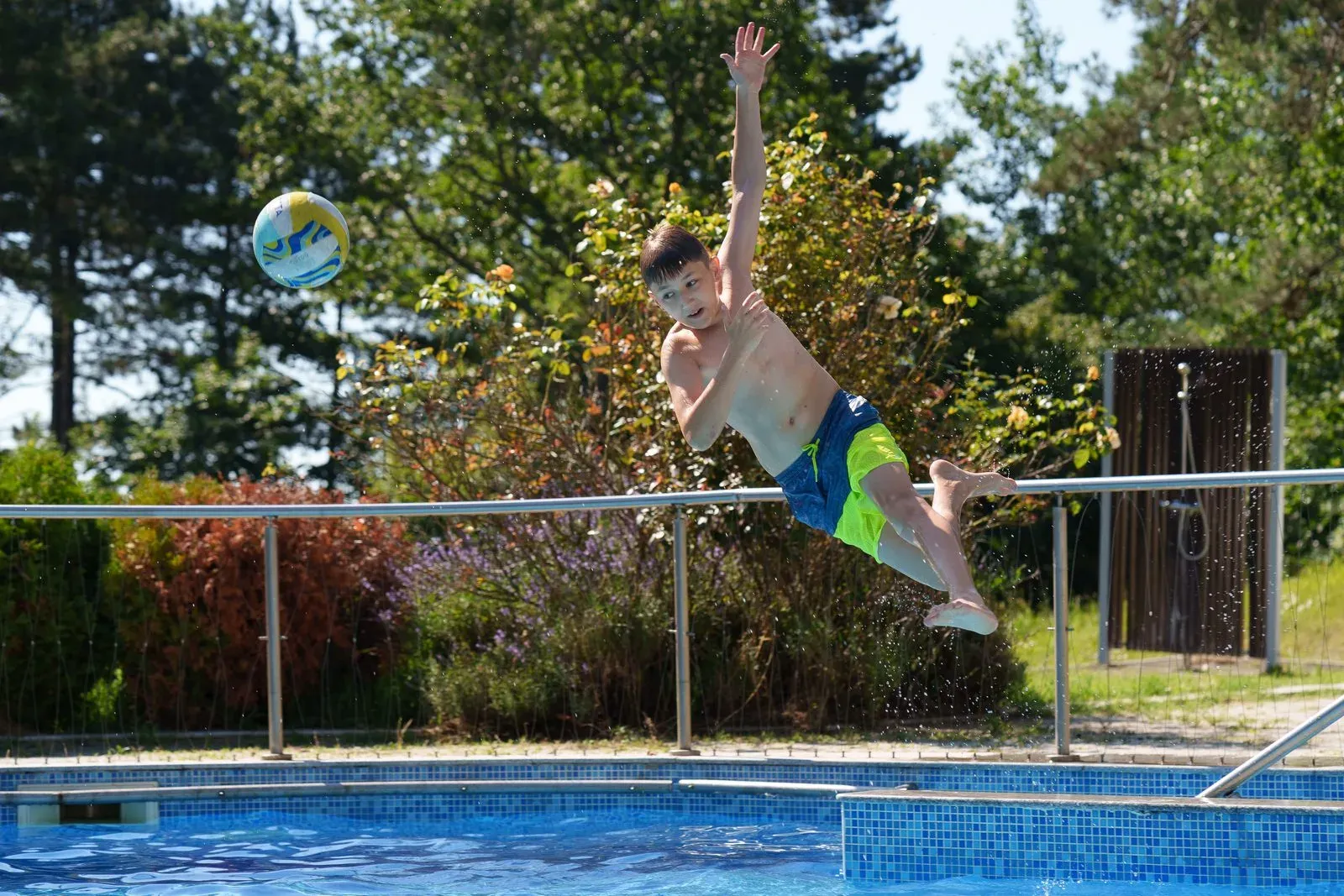
The coastal environment also helps with water activities. The Black Sea in the resort areas is warm and, in many spots, shallow and gentle, which makes supervised swimming and beach sports safer than on rougher open coasts. With lifeguards and tight ratios during water time, the sea becomes a manageable part of the day rather than a worry.
Climate
Climate shapes a summer more than families expect, and it is one of Bulgaria's advantages. The Black Sea coast has long, warm, reliable summers, with daytime temperatures usually in the high twenties to low thirties Celsius from June through early September. That is warm enough for daily sea and beach time, but softer than the peak heat of the southern Mediterranean.
Reliable weather matters for a program. When almost every day cooperates, a camp can plan a full outdoor life, from beach sessions to evening events, without constant disruption. Children spend more time active and outdoors, which supports both their mood and their English learning, since so much language happens in play.
The sea is part of the appeal. The Black Sea warms up through the summer, and its calmer resort beaches suit children. Morning lessons followed by an afternoon at the beach is a rhythm that keeps energy and motivation high, and the warm evenings make outdoor social time possible right through the stay. For a child who is nervous about a first summer away, sunny mornings and swimmable afternoons do a lot to turn nerves into excitement.
Cost Comparison
Cost is where Bulgaria's case is strongest. The table below gives indicative price ranges for a comparable two-week residential English program in different European destinations. Exact prices vary by provider, dates, and what is included, so treat these as a guide, not a quote.
| Destination | Indicative 2-week price | Notes |
|---|---|---|
| Switzerland | €4,000 – €7,000+ | Premium destination and pricing |
| United Kingdom | €3,000 – €5,000 | Prestige of an English-speaking country |
| Malta | €2,000 – €3,000 | English plus a Mediterranean holiday |
| Bulgaria | €1,500 – €2,500 | Comparable quality, lower cost |
A family can often secure a similar number of English lessons, similar facilities, and the same international environment in Bulgaria for roughly half the price of the UK, and a third to a half of Switzerland. That saving does not reflect a weaker program; it reflects Bulgaria's lower general cost base. The same euro buys more.
For many families, that difference changes what is possible: a longer stay, a second child at the same camp, or a strong program that would otherwise be out of budget in the West. It is a major reason an affordable summer camp on the Black Sea has become such a popular choice among European summer camps, without the compromise on quality that "affordable" often implies elsewhere.
Learning English by the Sea
Combining English learning with the sea works well, and Bulgaria delivers it as well as anywhere in Europe. The model is simple: focused English lessons in the morning, when children are fresh, followed by an afternoon of beach, water sports, and activities that keep them using the language in a relaxed setting.
This rhythm respects how children learn. A concentrated morning is more effective than lessons dragged across a whole day, and the promise of the beach keeps motivation high. The afternoon is not a break from English; in a well-designed international summer camp, it is immersion by other means. Calling for the ball, agreeing the rules of a game, or chatting with a new friend from another country all happen in English.
The seaside setting also supports the wider growth parents value. Beach games, swimming, and outdoor challenges build confidence and independence, and the mix of international students on the sand means friendships form across languages. For a child, "I studied English in Bulgaria by the Black Sea" is a memory attached to sun, sea, and friends, which is exactly the kind of association that makes a language stick. For families weighing where to study English Bulgaria offers serious lessons, a safe coast, and a full outdoor life in one place, at a sensible price.
Why International Families Love Bulgaria
Beyond the headline factors, families return to Bulgaria for reasons more about feel than spreadsheet. It is an easy, welcoming family destination, and that ease removes a lot of the friction of sending a child abroad.
Travel is straightforward. Coastal airports such as Varna and Burgas connect to many European and regional cities, often within a few hours, which keeps a first trip abroad simple for child and parents. For families who want to come along, the resort coast has plenty of accommodation nearby, making Bulgaria a natural choice for combining a child's camp with a family holiday.
The international atmosphere is another draw. Bulgaria's summer programs attract international students from across Europe, the Gulf, Central Asia, and beyond, so children land in a genuinely mixed environment where English is the shared language from day one. A purely local course cannot replicate that. Add a friendly welcome, safe coastal regions, the beaches, the climate, and the value, and it is easy to see why Bulgaria for children has moved from an unusual choice to an obvious one.
How VIEC Combines Education, Safety and Fun
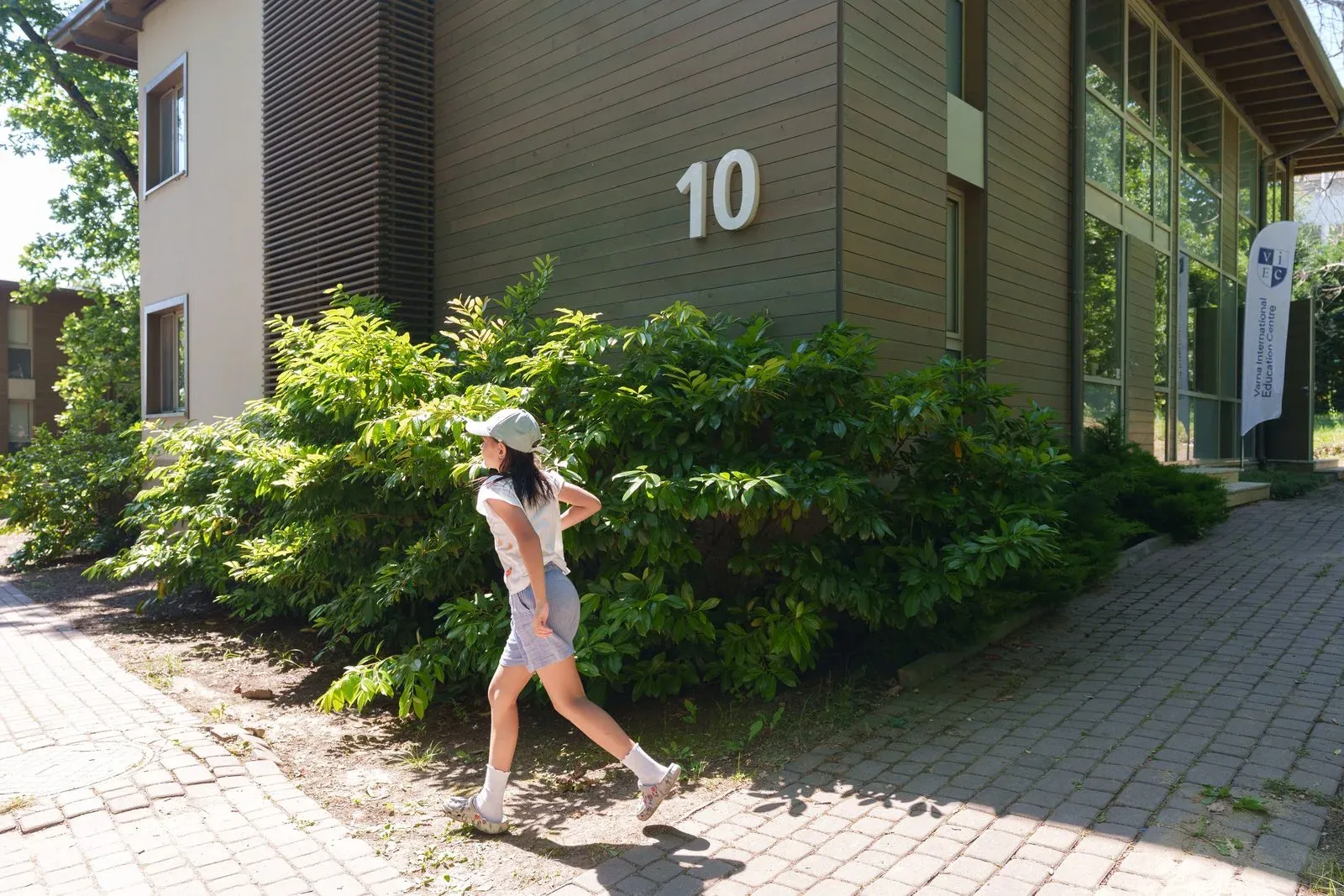
Everything above describes what makes Bulgaria a strong destination. The Varna International Education Centre was built to deliver all of it in one place. VIEC is an English summer camp Bulgaria families can trust: on the Black Sea coast, 40 km from Varna Airport, for children aged 7 to 17, combining a serious Oxford English program with the freedom of a coastal summer.
Education comes first. In partnership with the Oxford International Study Centre, VIEC teaches Oxford English in CEFR-based groups from A1 to B2, with qualified teachers and measurable progress across the stay. Mornings are for lessons; afternoons move to the beach and sport, so the language is used the same day. Safety is built into the setting: a 2,080-acre nature reserve with an enclosed perimeter, CCTV, overnight supervision, tight ratios, lifeguards during water time, and medical staff on site around the clock. And the fun is real: swimming, water sports, creative workshops, excursions, and an international community of children from many countries.
Families who want to stay close can share the campus through the VIEC Family Package, turning their child's camp into the whole family's holiday on the Black Sea. Whether a child comes alone or with their family, VIEC brings together what makes Bulgaria such a strong choice, on one secure, seaside campus.
Discover VIEC Summer Camp
See how Bulgaria works in practice: the program, dates, and facilities on the Black Sea coast.